
Stereotactic Body Radiation Therapy (SBRT)
It can be used to control lesions that cannot be surgically removed, postoperative residual lesions, or recurrent lesions, and can also be used to relieve symptoms such as pain. The decision depends on the pathological type and volume, the distance between the tumor and important organs, previous radiation therapy history, general condition, and expected goals (palliative or radical).
Included Services
Not Included
Stay Required
Most are completed on an outpatient basis and do not require hospitalization; if sedation or complication monitoring is required, a short-term hospitalization of 1–3 days may be arranged.
Treatment is performed in fractions, and it is recommended to stay near the hospital for 1–3 weeks for continuous irradiation and discomfort management; arrange a follow-up examination as directed by the doctor after the end.
Including plan development, fractionation treatment, and initial review, it is generally recommended to stay in China for approximately 2–4 weeks, depending on the schedule and individual tolerance.
Our Service Process
Making your medical journey affordable and hassle-free

Choose the Right Treatment, Surgeon & Hospital
We help you find the right medical solution for your needs

Arrange Video/Telephonic Consultation
Connect with expert doctors remotely to understand your treatment

Assist with Visa & Accommodation
We handle travel arrangements and hospital timing for your peace of mind

Airport Pickup and Hospital Transfer
Coordinate arrival support, local transfer, and interpreter scheduling

Hospital Assistance & Post-Op Support
Full medical coordination and caring assistance during recovery
Ready to discuss this treatment plan?
Send your medical records and travel needs. We will help match hospitals and coordinate the next steps in China.
What is Stereotactic Body Radiation Therapy (SBRT)?
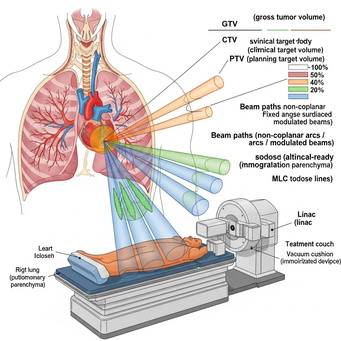
This treatment is based on image-guided localization. A common practice is to perform simulation localization and fuse CT/MRI (PET if necessary), delineate the tumor and critical organs, develop a plan, verify it, and then implement irradiation in fractions, with image correction and body position fixation before each treatment. Monitor skin, bowel and bladder reactions, and blood counts during treatment. The above is general health information and not medical advice; the specific plan is subject to specialist evaluation and hospital protocol. It can be used to control lesions that cannot be surgically removed, postoperative residual lesions, or recurrent lesions, and can also be used to relieve symptoms such as pain. The decision depends on the pathological type and volume, the distance between the tumor and important organs, previous radiation therapy history, general condition, and expected goals (palliative or radical).
Preparation Before Treatment
A simulation localization CT scan is required, and MRI/PET is added if necessary; blood routine, biochemical, and coagulation assessments are performed. The doctor will assess pregnancy and contraception issues, pain and gastrointestinal management, and whether sedation is needed. Bring previous imaging and pathology data and translations, and arrive at the hospital at the scheduled time; everything is subject to face-to-face assessment.
How is Stereotactic Body Radiation Therapy (SBRT) performed?
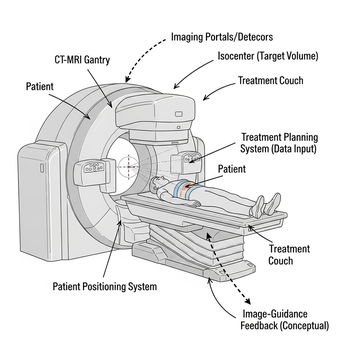
This treatment is based on image-guided localization. A common practice is to perform simulation localization and fuse CT/MRI (PET if necessary), delineate the tumor and critical organs, develop a plan, verify it, and then implement irradiation in fractions, with image correction and body position fixation before each treatment. Monitor skin, bowel and bladder reactions, and blood counts during treatment. The above is general health information and not medical advice; the specific plan is subject to specialist evaluation and hospital protocol.
Perform CT/MRI or PET image simulation localization.
CT/MRI/PET
Develop and verify the irradiation plan and then implement it in fractions.
CT/MRI/PET
Image correction and body position fixation before each treatment.
CT/MRI/PET
Monitor skin, bowel and bladder reactions, and blood count changes.
None
Recovery Process
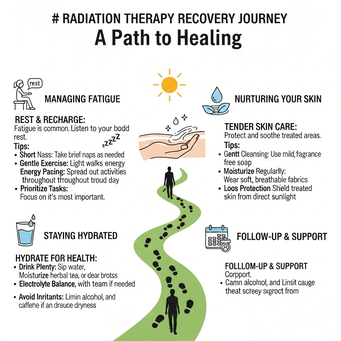
Fatigue, local skin reactions, or bowel and bladder irritation symptoms may occur during treatment, which are mostly manageable short-term reactions. Follow up according to the plan, and review images to assess efficacy and side effects. Generally, it does not affect flying, but if symptoms are obvious or sedation is required, consult a doctor first; pay attention to skin care and sufficient hydration.
Pay attention to managing fatigue and skin reactions.
None
Follow-up review of images to assess efficacy and side effects.
None
Consult a doctor to ensure skin care and adequate hydration.
None
Treatment Options
Optional plans include IMRT, SBRT, and three-dimensional conformal radiation therapy (3D-CRT), with different fractionation plans and doses; it can also be combined with surgery, arterial embolization, and systemic therapy. The choice depends on the size and location of the lesion, the tolerance of surrounding organs, and the overall treatment goal, as determined by a specialist evaluation.
Cost Notes
Common inclusions (subject to the hospital's official quotation): simulation localization CT (MRI/PET fusion if necessary), body position fixation and image guidance, radiation therapy plan and physical quality control, fractionation irradiation, routine follow-up assessment; excluding additional management of complications, upgrades of special fixation molds, exceeding standard follow-up, and other systemic treatment costs.
Costs are affected by fractionation and total dose, plan complexity (SBRT/IMRT), whether MRI/PET fusion is required, frequency of image guidance, whether sedation/anesthesia is used, follow-up imaging and laboratory tests, etc. The above information is general health information and not medical advice; diagnosis and treatment and costs are subject to face-to-face assessment and official notification from the hospital.
Cost reference updated: 2025-08
Frequently Asked Questions
Will the treatment hurt?
Radiation therapy itself is usually painless, but body position fixation or complications may cause discomfort. Tell the team if you experience pain or abnormal bowel movements so they can be treated.
Why is there such a large cost difference?
It is related to fractionation, plan complexity, frequency of image guidance, and whether sedation or additional imaging examinations are required. The final cost is subject to hospital assessment and quotation.
How many irradiations are generally needed?
The fractionation varies depending on the plan. SBRT is mostly a few high doses, and IMRT is mostly multiple moderate doses. The doctor will combine the lesion and the tolerance of the risk organs to develop a specific fractionation.
Will it cause hair loss or affect fertility?
Pelvic radiation therapy usually does not cause systemic hair loss, but may cause local hair changes and reproductive-related risks. It is necessary to discuss contraception and fertility plans with the doctor before treatment.
Will metal implants affect radiation therapy?
Metal will affect dose calculation and image quality. Physicists will use correction and plan optimization; please provide implant information for evaluation.
Is it necessary to carry out chemotherapy at the same time?
Some pathologies will consider synchronous or sequential systemic therapy. Whether to combine depends on the pathology, staging, and physical condition, and is determined by a multidisciplinary team.
Ready to discuss this treatment plan?
Send your medical records and travel needs. We will help match hospitals and coordinate the next steps in China.