
Deep Brain Stimulation (DBS)
Deep brain stimulation (DBS) may be considered when tic disorder symptoms significantly affect learning, work, or quality of life, and are poorly controlled after standard behavioral and drug therapies. The decision usually considers the severity and fluctuation of the disease, previous treatment responses and side effects, neuroimaging and psychological assessment results, general condition, and the feasibility of adapting to and caring for the implanted device.
Included Services
Not Included
Stay Required
Typical hospitalization is approximately 7–14 days; affected by surgical method, recovery speed, wound condition, and initial device setting requirements, etc.
It is recommended to stay nearby for approximately 7–14 days after discharge to facilitate wound care, suture removal, and initial program setting/parameter adjustment and re-examination.
Considering preoperative evaluation, hospitalization, and postoperative follow-up, it is generally recommended to stay in China for approximately 3–5 weeks; the specific schedule is subject to the hospital's schedule.
Our Service Process
Making your medical journey affordable and hassle-free
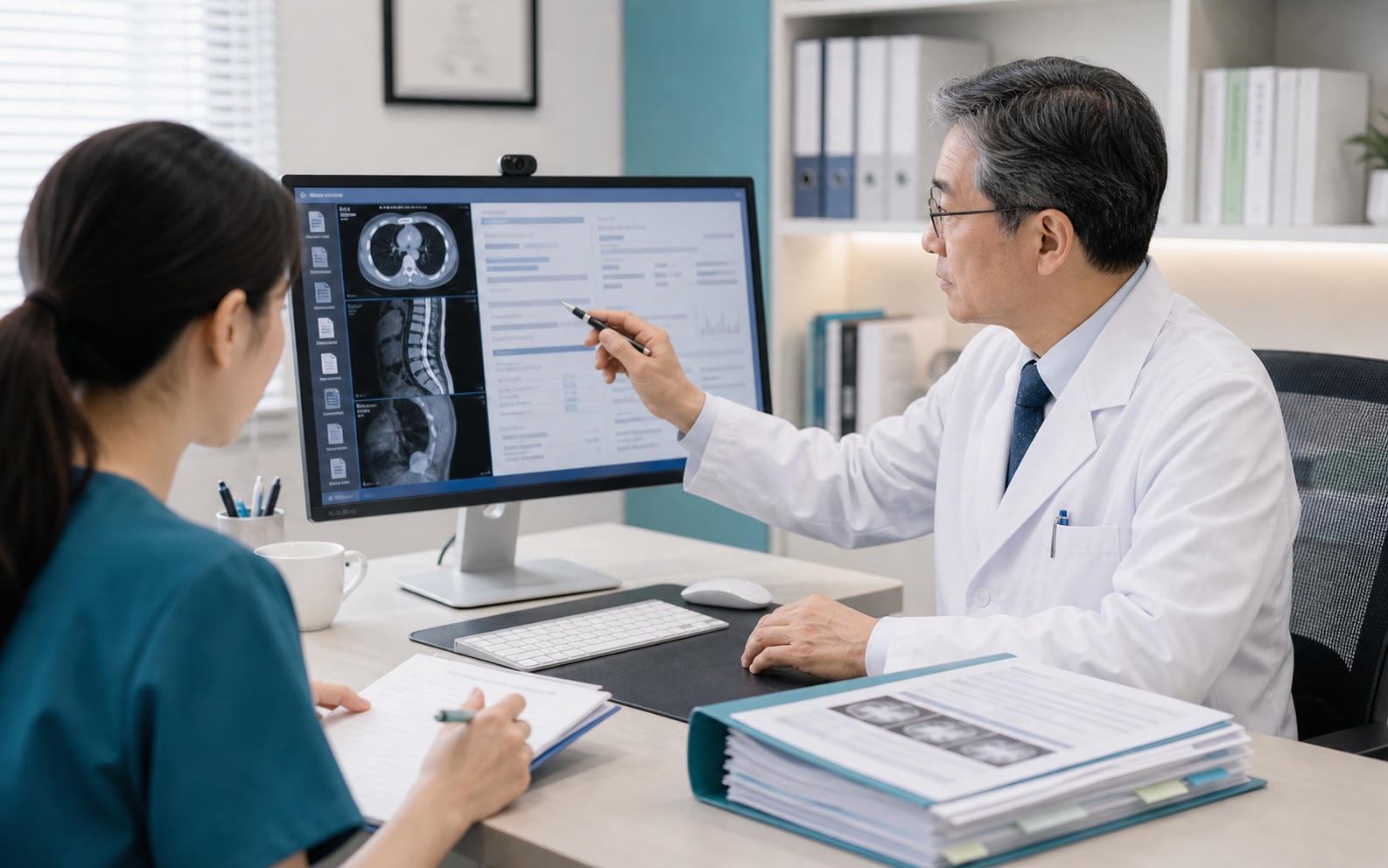
Choose the Right Treatment, Surgeon & Hospital
We help you find the right medical solution for your needs
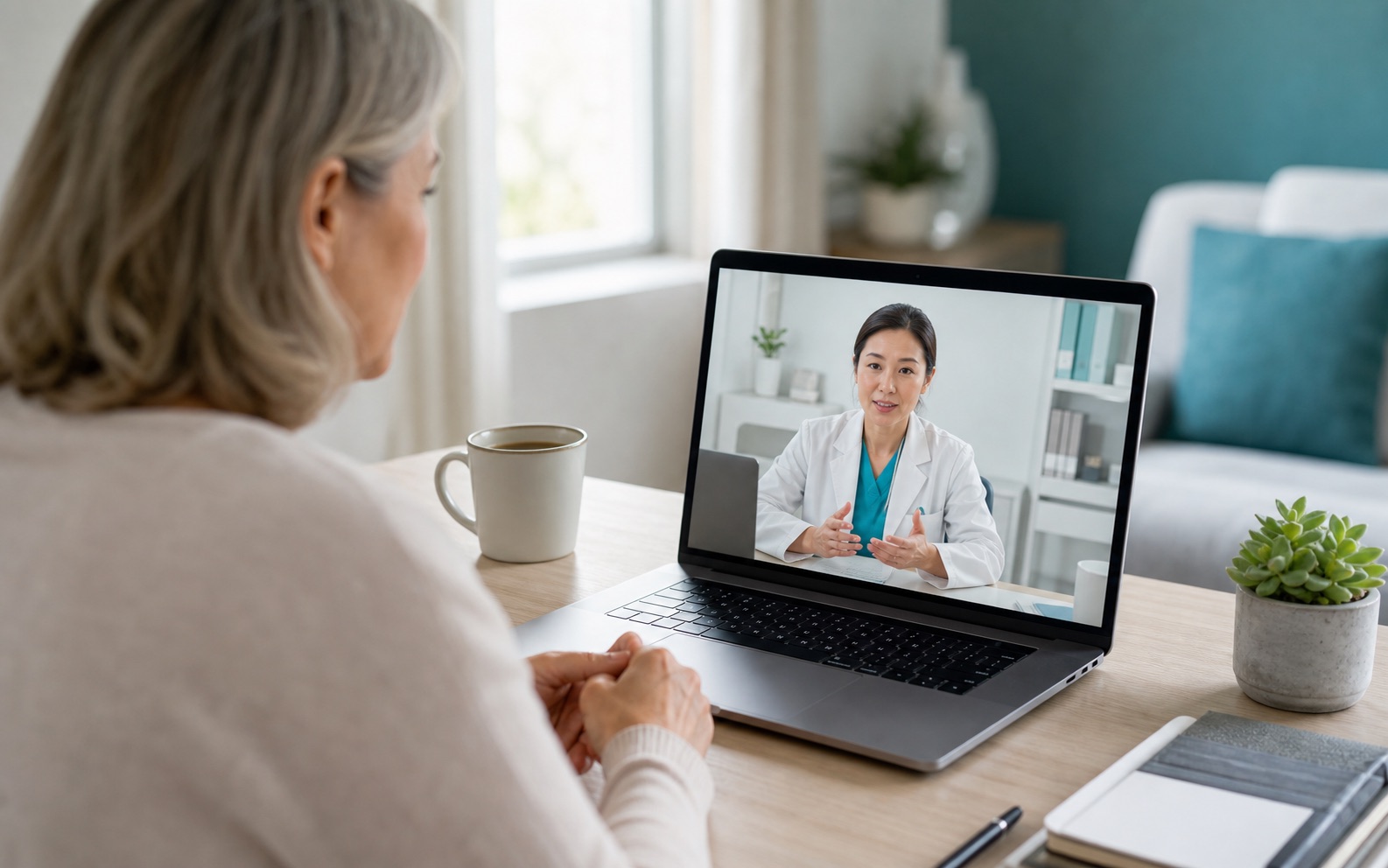
Arrange Video/Telephonic Consultation
Connect with expert doctors remotely to understand your treatment

Assist with Visa & Accommodation
We handle travel arrangements and hospital timing for your peace of mind

Airport Pickup and Hospital Transfer
Coordinate arrival support, local transfer, and interpreter scheduling
Hospital Assistance & Post-Op Support
Full medical coordination and caring assistance during recovery
Ready to discuss this treatment plan?
Send your medical records and travel needs. We will help match hospitals and coordinate the next steps in China.
What is Deep Brain Stimulation (DBS)?
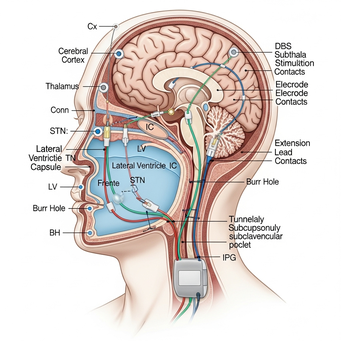
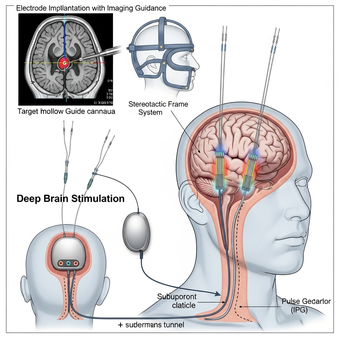
Deep brain stimulation uses implanted electrodes and a pulse generator to electrically modulate specific brain networks. Electrode implantation is typically performed with the aid of imaging localization and stereotactic systems, and can be combined with electrophysiological monitoring and intraoperative testing to optimize placement. Subsequently, a pulse generator is implanted subcutaneously and connected with leads. Postoperative imaging confirmation and basic parameter settings are performed, and subsequent outpatient visits gradually adjust the stimulation to balance symptom control and adverse reactions, as well as monitor wound healing and device status. The above is general health information, not medical advice; the specific plan is subject to specialist evaluation and hospital protocol. Deep brain stimulation (DBS) may be considered when tic disorder symptoms significantly affect learning, work, or quality of life, and are poorly controlled after standard behavioral and drug therapies. The decision usually considers the severity and fluctuation of the disease, previous treatment responses and side effects, neuroimaging and psychological assessment results, general condition, and the feasibility of adapting to and caring for the implanted device.
Preparation Before Treatment
Preoperative evaluation typically includes neurological and anesthesia assessments, laboratory tests, electrocardiogram, and echocardiogram if necessary, to assess coagulation and cardiopulmonary function; head MRI/CT is performed for surgical planning. The doctor will develop an anticoagulation/antiplatelet management plan based on medication history and assess infection risk and allergies. Compatibility of previously implanted devices needs to be understood, and translation and medical records, travel and care arrangements need to be prepared. All preparations are subject to the opinion of the medical institution during the consultation.
How is Deep Brain Stimulation (DBS) performed?
Deep brain stimulation uses implanted electrodes and a pulse generator to electrically modulate specific brain networks. Electrode implantation is typically performed with the aid of imaging localization and stereotactic systems, and can be combined with electrophysiological monitoring and intraoperative testing to optimize placement. Subsequently, a pulse generator is implanted subcutaneously and connected with leads. Postoperative imaging confirmation and basic parameter settings are performed, and subsequent outpatient visits gradually adjust the stimulation to balance symptom control and adverse reactions, as well as monitor wound healing and device status. The above is general health information, not medical advice; the specific plan is subject to specialist evaluation and hospital protocol.
Implant electrodes through imaging localization and stereotactic system.
Navigation/Fluoroscopy
Test and optimize electrode placement in the brain.
Electrophysiological Monitoring
Subcutaneously implant the pulse generator and connect the leads.
None
Perform postoperative imaging confirmation and parameter setting.
Imaging Confirmation
Recovery Process
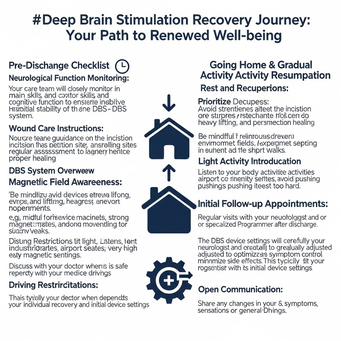
Neurological function, wound, and device operation are monitored early after surgery, and gradual activity and pain and infection prevention are performed. Follow-up visits are arranged after discharge to adjust parameters, usually gradually optimizing stimulation parameters over several weeks to months. Daily activities are gradually resumed, avoiding strenuous pulling and strong magnetic environments; carry proof of implanted device, and choose manual security check when passing through security. MRI and other examinations need to follow device condition compatibility policies and inform medical staff in advance. Whether it is suitable to fly and the return time are determined by specialist assessment.
Monitor neurological function, wound recovery, and device operation.
None
Gradually resume activities and avoid strong magnetic environments.
None
Regularly follow up and adjust stimulation parameters as directed by the doctor.
None
Treatment Options
Optional approaches include: implantation under awake or general anesthesia, whether to perform microelectrode recording and intraoperative testing, unilateral or bilateral implantation, rechargeable or disposable pulse generator, and staged or one-stage completion. Subsequent options include different parameter adjustment strategies and follow-up frequencies. Alternative/combined options include continued optimization of drug and behavioral therapy, repetitive transcranial magnetic stimulation (rTMS), etc.; the choice depends on individual symptom characteristics, co-existing problems, and specialist assessment.
Cost Notes
Common inclusions (subject to the official hospital quotation): preoperative basic assessment (electrocardiogram, laboratory tests, head imaging if necessary), intraoperative imaging and vital sign monitoring, surgery and implanted device, standard ward care and discharge summary; excludes additional treatment of complications, upgrades of non-standard consumables, exceeding standard length of stay, and additional follow-up travel expenses, etc.
Costs are affected by many factors: surgical method and anesthesia plan, implanted device model/whether rechargeable, laterality and number of leads, use of intraoperative electrophysiology and imaging, hospital level and length of stay, treatment of complications, and frequency of follow-up parameter adjustments, etc.
Cost reference updated: 2025-08
Frequently Asked Questions
What are the possible risks?
Including bleeding, infection, wound healing problems, device-related discomfort or failure, and changes in mood and speech, etc.; risks vary from person to person, and specific details will be explained in the preoperative informed consent.
Is long-term follow-up necessary?
DBS usually requires regular follow-up to optimize parameters, assess symptoms and device status; the frequency is determined by clinical manifestations and treatment plan.
Can I exercise, fly, or go through security?
Gradually resume daily activities, avoiding strenuous impacts and pulling; confirm follow-up arrangements and carry proof of implantation before flying, and it is recommended to inform staff at security checks so that appropriate measures can be taken.
How are battery life and replacement arranged?
Battery life is affected by stimulation parameters, and common types include rechargeable and disposable batteries; subsequent outpatient visits will assess charging and replacement timing and provide usage guidance.
Is surgery performed under general anesthesia or while awake?
Both methods are possible, and the choice depends on individual conditions, intraoperative monitoring needs, and the hospital team's plan, which is determined after specialist evaluation.
Can the implanted device pass through security and undergo MRI?
Usually, it is necessary to carry proof of implantation and inform in advance; most devices can undergo MRI under specific conditions. Security checks can be performed manually or avoid prolonged exposure to strong magnetic fields, subject to hospital and manufacturer guidelines.
How should foreign patients prepare communication and materials?
You can bring your own interpreter or apply for hospital language services; it is recommended to prepare Chinese and English materials for previous diagnostic certificates, imaging CDs, and medication lists in advance.
How soon after surgery can parameters be adjusted and return travel be undertaken?
Initial program setting and early parameter adjustment are generally arranged near discharge, and the return travel time is determined by the recovery situation and follow-up plan; please refer to the "stay suggestions" and the specialist's opinion.
Ready to discuss this treatment plan?
Send your medical records and travel needs. We will help match hospitals and coordinate the next steps in China.