
Percutaneous Coronary Intervention (PCI)
It can be considered in the context of stable angina or acute coronary syndrome when assessed to have significant stenosis leading to ischemia. The decision is based on a comprehensive assessment by the cardiac team, considering factors such as lesion location and complexity, evidence of ischemia, response to previous drug treatment, bleeding risk and antiplatelet tolerance, cardiac function, and comorbidities.
Included Services
Not Included
Stay Required
Typical hospital stay is 2–5 days; actual stay depends on lesion complexity, number of implanted devices, puncture site recovery, and comorbidities, and is subject to postoperative assessment.
It is recommended to stay nearby for 3–7 days after discharge for follow-up examinations, puncture site care, and medication assessment, as arranged by the surgical team.
Combining preoperative assessment + inpatient treatment + postoperative follow-up, it is recommended to stay for a total of approximately 1–2 weeks, with the actual schedule subject to hospital scheduling and recovery.
Our Service Process
Making your medical journey affordable and hassle-free

Choose the Right Treatment, Surgeon & Hospital
We help you find the right medical solution for your needs

Arrange Video/Telephonic Consultation
Connect with expert doctors remotely to understand your treatment

Assist with Visa & Accommodation
We handle travel arrangements and hospital timing for your peace of mind

Airport Pickup and Hospital Transfer
Coordinate arrival support, local transfer, and interpreter scheduling

Hospital Assistance & Post-Op Support
Full medical coordination and caring assistance during recovery
Ready to discuss this treatment plan?
Send your medical records and travel needs. We will help match hospitals and coordinate the next steps in China.
What is Percutaneous Coronary Intervention (PCI)?
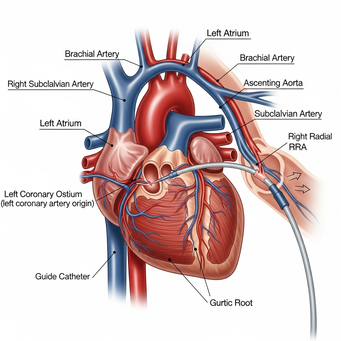
PCI is usually performed under image guidance. Drug-coated stents or drug-coated balloons can be selected, depending on the lesion morphology and assessment. A common practice is to insert a catheter into the coronary artery through a percutaneous approach, perform angiography to locate the stenosis, pre-dilate with a balloon, implant a stent or use a drug-coated balloon as needed, and combine with intravascular ultrasound/OCT and functional guidance. Postoperative monitoring includes ECG and hemodynamics, and observation of the puncture site. The goal is to improve blood supply and relieve ischemia. The above is general health information, not medical advice; the specific plan is subject to specialist assessment and hospital protocol. It can be considered in the context of stable angina or acute coronary syndrome when assessed to have significant stenosis leading to ischemia. The decision is based on a comprehensive assessment by the cardiac team, considering factors such as lesion location and complexity, evidence of ischemia, response to previous drug treatment, bleeding risk and antiplatelet tolerance, cardiac function, and comorbidities.
Preparation Before Treatment
Preoperative preparation usually includes ECG, echocardiography, coronary imaging and laboratory tests as necessary to assess renal function and contrast agent allergy history; the doctor will develop an anticoagulation/antiplatelet medication management and fasting plan. Communicate information about previous surgeries and implanted devices, prepare imaging data and translation documents, and properly arrange the itinerary and consent form signing. All preparations are subject to the conclusions of a medical institution consultation.
How is Percutaneous Coronary Intervention (PCI) performed?
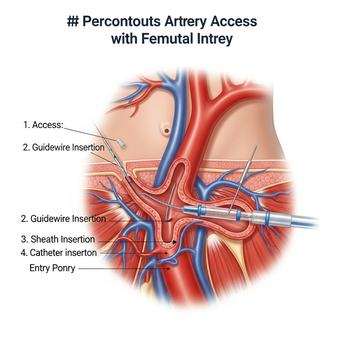
PCI is usually performed under image guidance. Drug-coated stents or drug-coated balloons can be selected, depending on the lesion morphology and assessment. A common practice is to insert a catheter into the coronary artery through a percutaneous approach, perform angiography to locate the stenosis, pre-dilate with a balloon, implant a stent or use a drug-coated balloon as needed, and combine with intravascular ultrasound/OCT and functional guidance. Postoperative monitoring includes ECG and hemodynamics, and observation of the puncture site. The goal is to improve blood supply and relieve ischemia. The above is general health information, not medical advice; the specific plan is subject to specialist assessment and hospital protocol.
Perform the operation under image guidance.
Endoscopy/Fluoroscopy/DSA/Navigation/Ultrasound/Other
Insert a catheter through a percutaneous approach.
Other
Locate the stenosis area and pre-dilate.
Angiography
Implant a stent or use a balloon as needed.
Ultrasound
Recovery Process
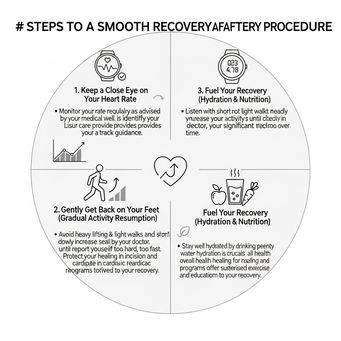
In the early postoperative period, monitor ECG, blood pressure, and the puncture site, and gradually get out of bed and resume daily activities as directed by the doctor. Avoid heavy physical activity and local exertion in the short term, and pay attention to wound cleaning and bleeding warnings. Follow up as planned to assess medication and blood lipid and blood pressure control. Air travel and business trips are decided after evaluation by the doctor. Metal stents usually do not affect security checks, and discharge summaries can be carried with you.
Early monitoring of ECG, blood pressure, and puncture site.
Avoid heavy physical labor and keep the wound clean.
Follow up as planned to assess medication and indicators.
Treatment Options
Optional approaches include: optimized medical therapy, PCI (drug-coated stent or drug-coated balloon), coronary artery bypass grafting (CABG); imaging/functional guidance can use intravascular ultrasound (IVUS)/OCT, fractional flow reserve (FFR) or instantaneous wave-free ratio (iFR). The choice depends on lesion anatomy, degree of ischemia, bleeding risk, and overall condition, and is determined by specialist assessment.
Cost Notes
Commonly includes: preoperative basic assessment and necessary imaging/ECG examinations, intraoperative angiography and vital sign monitoring, balloon dilation and drug-coated stent or drug-coated balloon procedures, intravascular imaging and functional assessment as necessary, standard ward care and discharge summary; does not include additional treatment for complications, upgrades to non-standard consumables, exceeding standard hospital stay days, and additional follow-up travel expenses, etc. (subject to the hospital's official quotation).
Number and complexity of lesions, whether to use drug-coated stents/balloons and their models and quantities, whether to combine intravascular imaging/functional assessment, intraoperative drugs and consumables, hospital level and length of stay, complication management, etc.
Cost reference updated: 2025-08
Frequently Asked Questions
Will the surgery be very painful?
It is mostly performed under local anesthesia and sedation, and the process is mainly discomfort. There may be soreness or mild pain at the puncture site after the operation, which usually subsides in the short term, depending on individual feelings.
Do I need to bring my own imaging data?
It is recommended to bring the original files of previous ECG, ultrasound, angiography, or CT data for comparison and surgical planning.
Will the stent affect security checks or MRI?
Most modern stents have no significant impact on security checks. MRI compatibility and timing need to be jointly assessed by imaging and cardiology departments, subject to hospital recommendations.
When can I resume exercise and driving/flying?
Usually, recovery is phased, starting with light activities. The time for driving and flying needs to be confirmed by the doctor after a follow-up assessment.
How long does hospitalization and follow-up take?
The duration of hospitalization and follow-up is affected by the condition and recovery, and is mostly in the range of days to weeks; the specific schedule is subject to actual scheduling and follow-up assessment.
Is it necessary to place a stent for all stenoses?
Not necessarily. Whether to place a stent depends on evidence of ischemia, stenosis severity, and anatomical characteristics. The doctor will make a comprehensive assessment and may also refer to FFR/iFR and intravascular imaging.
How long do I need to take antiplatelet drugs after the operation?
It needs to be determined individually, depending on the implanted device, bleeding risk, and complications. The specific course of treatment is determined by the follow-up doctor based on guidelines and assessment.
What is the difference between drug-coated stents and drug-coated balloons?
Both are local drug delivery strategies to reduce restenosis. Stents provide mechanical support; balloons do not leave implants and are suitable for different situations and lesion types.
Ready to discuss this treatment plan?
Send your medical records and travel needs. We will help match hospitals and coordinate the next steps in China.