
CAR-T
Chimeric antigen receptor T-cell therapy (CAR-T) may be considered in non-Hodgkin lymphoma that is relapsed or refractory and remains active after multiple lines of prior therapy, commonly in B-cell lymphomas expressing the corresponding target. The decision is influenced by factors such as pathological subtype and target antigen expression, prior treatment and disease burden, organ function and infection control, care conditions, and the availability of cell preparation.
Included Services
Not Included
Stay Required
Typical hospitalization is 2–4 weeks for lymphodepletion therapy, reinfusion, and early adverse reaction monitoring; the time may be extended if the condition is complex or intensive care is required.
It is recommended to stay nearby for 1–3 weeks after discharge to facilitate follow-up and re-evaluation of adverse reactions; if fever, fatigue, or neurological symptoms occur, seek medical attention promptly.
Including evaluation, collection/preparation, hospitalization, and early follow-up, the overall stay in China is mostly 5–9 weeks; the specific duration depends on the product preparation cycle and individual recovery.
Our Service Process
Making your medical journey affordable and hassle-free

Choose the Right Treatment, Surgeon & Hospital
We help you find the right medical solution for your needs

Arrange Video/Telephonic Consultation
Connect with expert doctors remotely to understand your treatment

Assist with Visa & Accommodation
We handle travel arrangements and hospital timing for your peace of mind

Airport Pickup and Hospital Transfer
Coordinate arrival support, local transfer, and interpreter scheduling

Hospital Assistance & Post-Op Support
Full medical coordination and caring assistance during recovery
Ready to discuss this treatment plan?
Send your medical records and travel needs. We will help match hospitals and coordinate the next steps in China.
What is CAR-T?
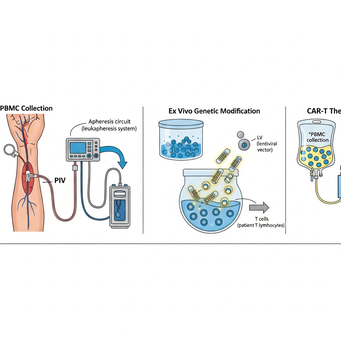
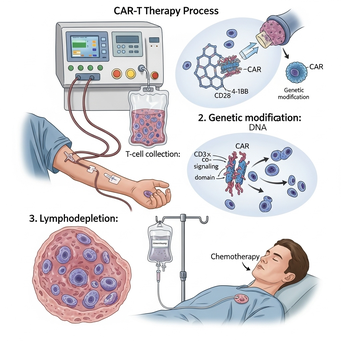
CAR-T therapy generally begins with leukapheresis to obtain autologous T cells; under experimental conditions, a chimeric antigen receptor is introduced via a vector, enabling them to recognize specific tumor antigens. After quality release, a short course of lymphodepletion therapy is usually given to facilitate cell expansion, followed by CAR-T reinfusion. During this period, vital signs, infection, and neurological status are continuously monitored, and symptomatic and supportive treatment is given as needed. The overall goal is to achieve cell expansion and assess disease response. The above is general health information, not medical advice; specific details are subject to specialist evaluation and hospital protocols. Chimeric antigen receptor T-cell therapy (CAR-T) may be considered in non-Hodgkin lymphoma that is relapsed or refractory and remains active after multiple lines of prior therapy, commonly in B-cell lymphomas expressing the corresponding target. The decision is influenced by factors such as pathological subtype and target antigen expression, prior treatment and disease burden, organ function and infection control, care conditions, and the availability of cell preparation.
Preparation Before Treatment
Before treatment, hematological and immunological tests, liver and kidney function tests, electrocardiogram/echocardiogram, and brain and body cavity imaging assessments if necessary should be completed, along with screening for infection and hepatitis B/C and HIV. Assess the need for bridging therapy and venous access, and record allergies and medications; perform a neurological baseline assessment and caregiver arrangements. Prepare travel documents and translation materials. All preparations are subject to the hospital's consultation plan.
How is CAR-T performed?
CAR-T therapy generally begins with leukapheresis to obtain autologous T cells; under experimental conditions, a chimeric antigen receptor is introduced via a vector, enabling them to recognize specific tumor antigens. After quality release, a short course of lymphodepletion therapy is usually given to facilitate cell expansion, followed by CAR-T reinfusion. During this period, vital signs, infection, and neurological status are continuously monitored, and symptomatic and supportive treatment is given as needed. The overall goal is to achieve cell expansion and assess disease response. The above is general health information, not medical advice; specific details are subject to specialist evaluation and hospital protocols.
Collect autologous T cells for manipulation.
无
Introduce a chimeric antigen receptor to recognize tumors.
无
Administer lymphodepletion therapy to promote cell expansion.
无
Reinfuse CAR-T cells and continuously monitor.
无
Recovery Process
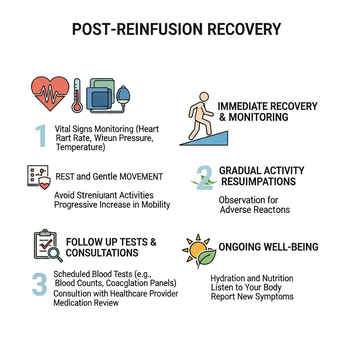
After reinfusion, focus on monitoring temperature, blood pressure, oxygenation, and neurological signs, and assess cytokine release-related manifestations and immune effects. Follow up on blood counts, immunoglobulin levels, and imaging as directed. Gradually increase activity and pay attention to infection prevention. Whether air travel is permitted is evaluated by the doctor; it is recommended to carry a treatment card, discharge summary, and emergency contact information, and if a catheter is in place, pay attention to care and security communication.
Monitor temperature, blood pressure, oxygenation, and neurological status.
无
Gradually increase activity and pay attention to infection prevention.
无
Follow up on blood counts and imaging to assess recovery.
无
Treatment Options
Alternative approaches include: CAR-T products or preparation processes with different targets (subject to indications and availability), continuing systemic therapy (monoclonal antibodies, bispecific antibodies, small molecules, etc.), autologous/allogeneic hematopoietic stem cell transplantation, local radiotherapy, or palliative treatment. The choice depends on pathological type, target expression, disease burden, and comprehensive specialist assessment.
Cost Notes
Common inclusions (subject to the hospital's official quotation): preoperative evaluation and baseline imaging/laboratory tests, leukapheresis, CAR-T preparation and quality testing (subject to agreement when undertaken by a cooperative platform), reinfusion and inpatient monitoring, standard ward care, and discharge summary. Usually excludes additional management of complications, non-standard medications/consumables, exceeding standard length of stay, subsequent immunoglobulin and other support, and travel expenses.
Factors affecting cost: product type and preparation pathway, whether bridging therapy is required, hospital level and monitoring intensity, management of complications (such as cytokine release-related conditions), frequency of imaging and laboratory follow-up, etc. The above information is general health information, not medical advice; diagnosis and treatment costs are subject to in-person evaluation and official notification from the hospital.
Cost reference updated: 2025-08
Frequently Asked Questions
What if preparation fails?
Occasionally, the number or quality of cells may not meet the standards. The doctor will discuss re-collection, switching to other treatments, or adjusting the timeline.
Is CAR-T suitable for everyone?
It is necessary to meet the indications, target expression, and organ function conditions, and be able to complete the collection and preparation process; suitability is subject to specialist evaluation.
What are the components of the cost?
Includes evaluation, apheresis, preparation and testing, inpatient monitoring, and follow-up; management of complications and extended hospitalization are usually charged separately. Details are subject to the hospital's quotation.
How long do I need to be hospitalized?
Hospitalization for monitoring for several weeks before and after reinfusion is common; the specific duration depends on the condition and adverse reactions.
What adverse reactions may occur with CAR-T?
Common adverse reactions include fever, hypotension, fatigue, decreased blood counts, cytokine release-related manifestations, and reversible neurological symptoms; the hospital will monitor and manage them according to protocols.
How are vaccinations and infection prevention arranged after treatment?
B-cell depletion and hypogammaglobulinemia may occur. Prevention and supplementation are determined by the doctor's evaluation, and self-vaccination is not recommended.
Ready to discuss this treatment plan?
Send your medical records and travel needs. We will help match hospitals and coordinate the next steps in China.